
Key takeaways
- Turnkey is a starting point for questions, not a substitute for a defined scope.
- Equipment supply, supervised installation, and a complete installation crew are different offers.
- Shipping terms and a delivery address do not establish who will assemble or open the venue.
- Compare quotations at the same completion point and price the work left to your team.
- A useful handover includes order-specific records and ownership of outstanding items.
Evidence to connect the proposal with the delivered equipment
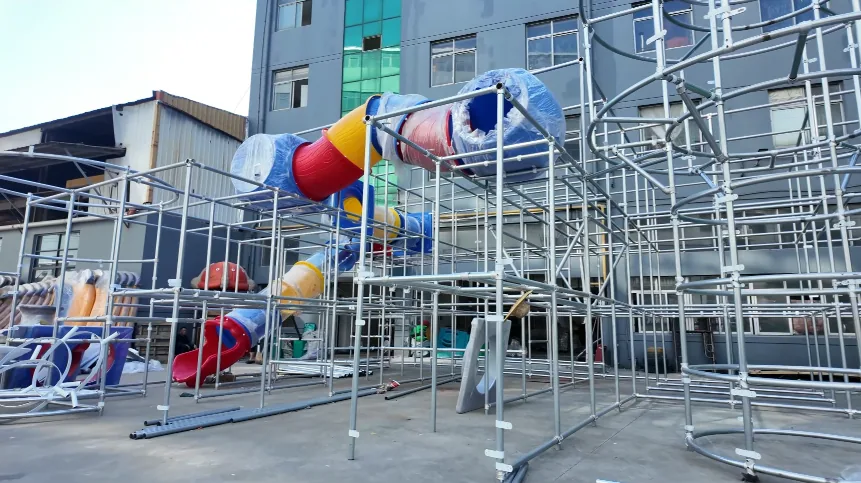
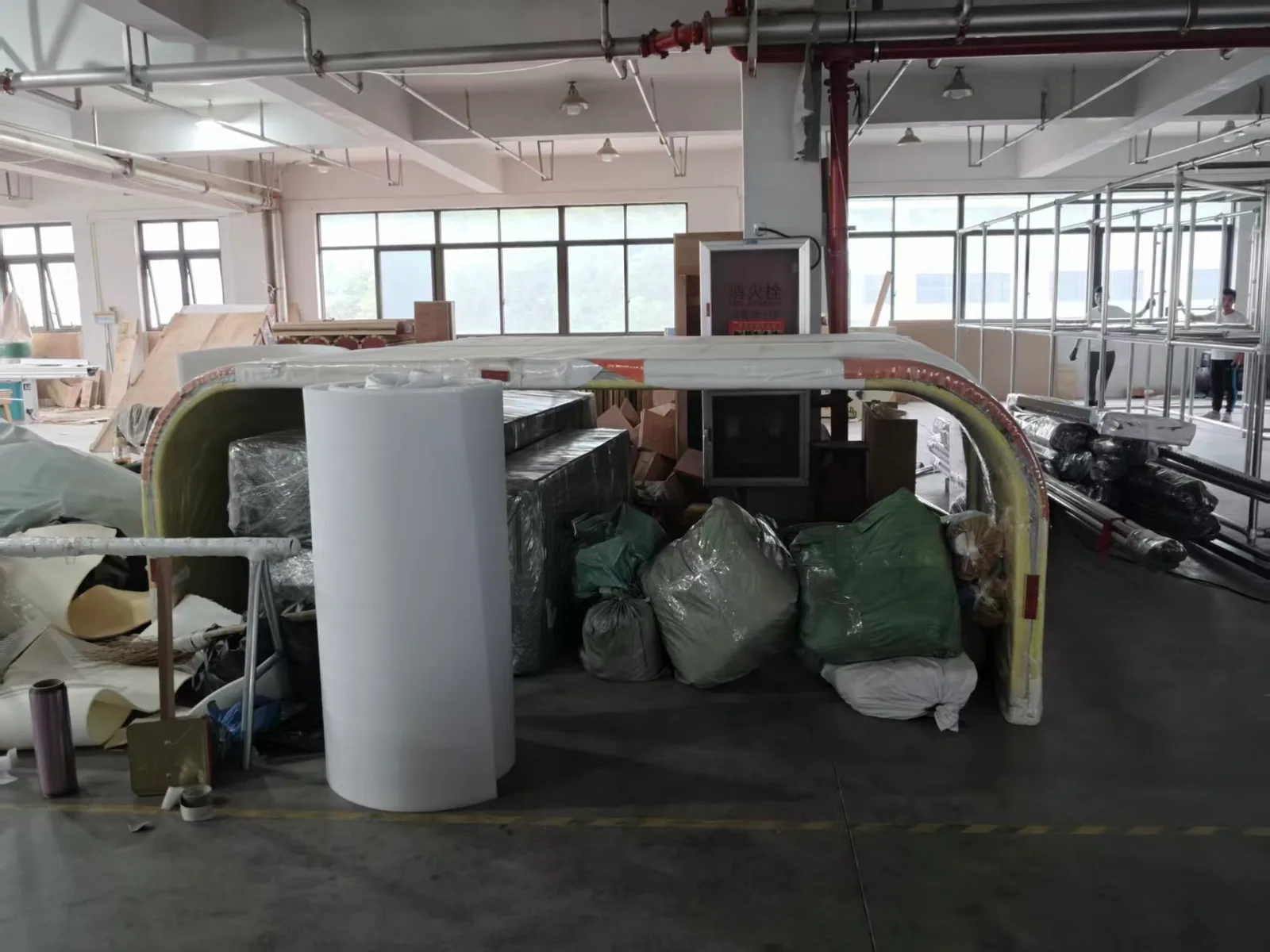
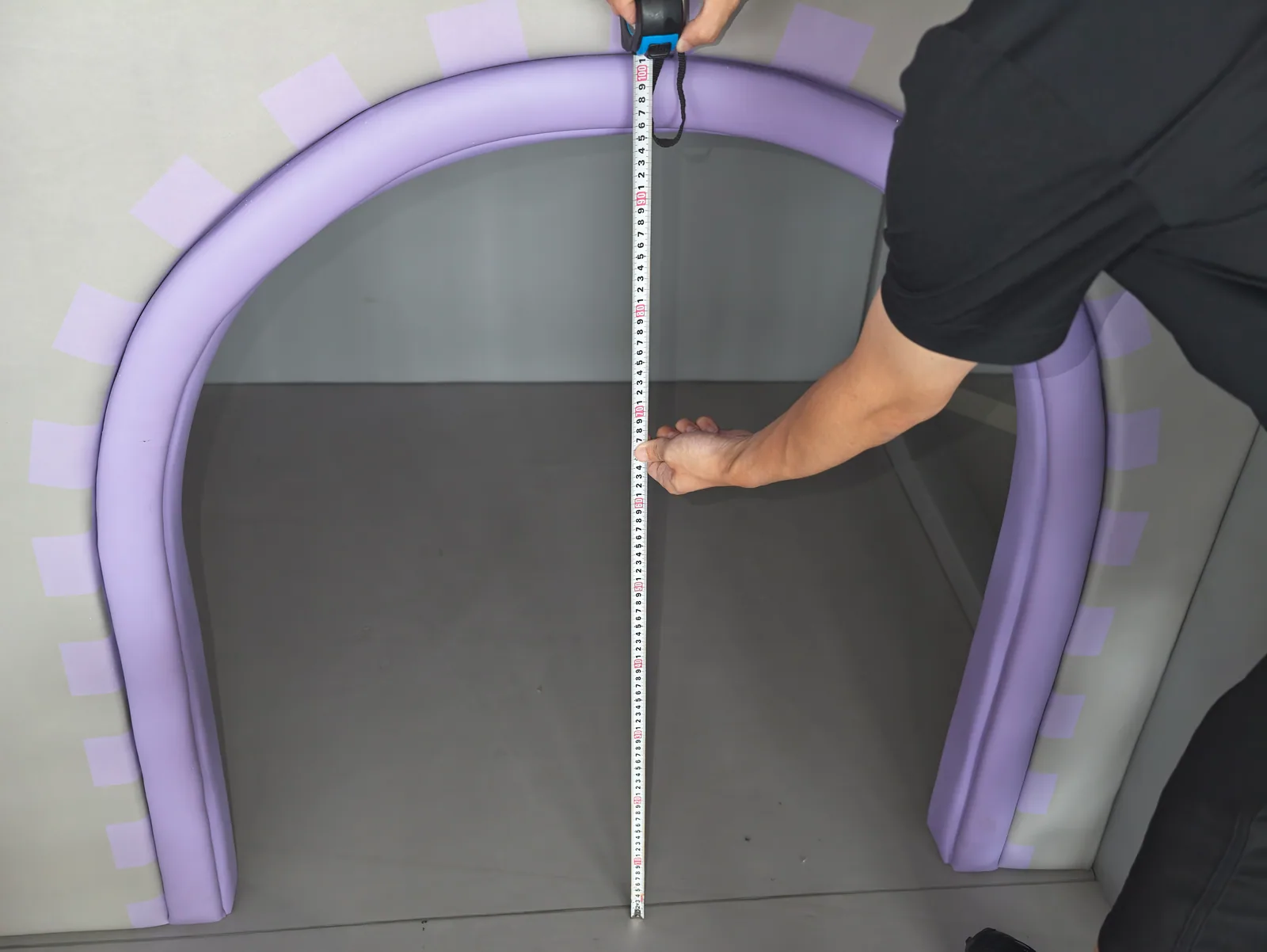
These existing Vabibo process materials illustrate records to discuss with a supplier. They do not establish that every pictured activity, installation service, or inspection is included in a new quotation. Request the agreed evidence for your own order and drawing revision.
1. Choose the delivery model your team can actually manage
The buyer's first decision is not whether a supplier uses the word turnkey. It is how much design, logistics, installation, and local coordination the buyer can manage. A distributor with an established installer network needs a different offer from an owner opening a first play café.
Begin with the equipment and venue fit, then select the support model. A convenient single contact does not remove the need to identify the parties doing the work. Ask who designs the equipment, manufactures it, handles export, answers installation questions, and takes responsibility for each deliverable.
| Model to request | Potential fit | Responsibility to clarify |
|---|---|---|
| Design and equipment supply | Experienced importer, distributor, or contractor with local delivery capability | Who handles import, site preparation, assembly, inspection, and final operator handover? |
| Supply with installation support | Buyer with a local crew that needs supplier drawings and technical coordination | Is support remote or on site? Does it include supervision only or installation labor? |
| Broader coordinated delivery | Owner needing more help across several project stages | Which named parties provide each package, and which local building and operating tasks remain excluded? |
These are buyer comparison models, not fixed Vabibo packages. Availability and scope must be confirmed for the destination and order.
2. Ask what is included, optional, excluded, or still unconfirmed
Ask every shortlisted supplier to return the same responsibility matrix. For each line, record the provider, payer, approval owner, deliverable, and due date. Use four status labels—included, optional, excluded, or unconfirmed—so a blank cell cannot quietly become an assumption.
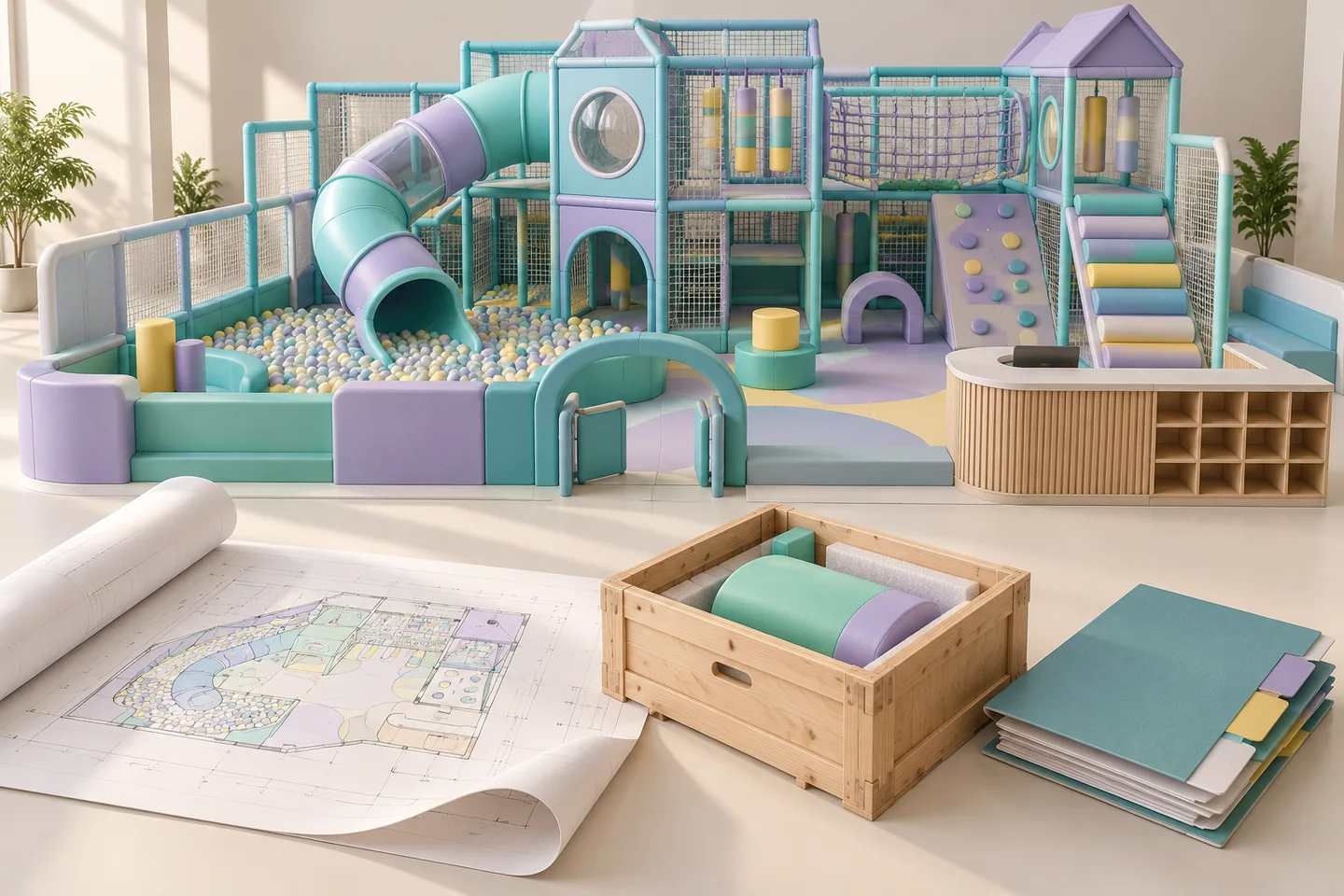
A rendering is not an inclusion schedule. Reception desks, café furniture, lighting, decorations, digital games, flooring, and signage shown around the play equipment should each be marked as supplied, indicative, or by others. Match the schedule to one dated design revision.
| Work package | Ask the supplier to define | Evidence or acceptance record |
|---|---|---|
| Design | Site-information review, layout, 3D views, revision allowance, technical drawings, and local-design interfaces | Drawing register and approved equipment schedule |
| Equipment | Modules, attraction quantities, dimensions, materials, finishes, accessories, spares, and exclusions | Itemized bill of supply tied to the approved plan |
| Production and checks | Inspection checkpoints, trial-assembly scope, witness arrangements, and correction process | Order-linked inspection and action-closure records |
| Packing and freight | Protection, labels, shipment basis, destination point, insurance arrangements, and document responsibilities | Packing list, package images, and agreed transport documents |
| Import and site delivery | Importer, broker, import charges, unloading, storage, and movement from truck to installation area | Named owners and access/unloading plan |
| Installation | Drawings, remote help, supervisor or crew, tools, lifting, travel, accommodation, and site prerequisites | Installation plan, responsibility schedule, and completion record |
| Building interfaces | Floor condition, anchoring review, power, ventilation, fire systems, exits, and landlord requirements | Site-readiness checklist and relevant local-professional review |
| Handover and support | Final checks, open items, manuals, staff orientation, spare parts, warranty scope, and claim contacts | Handover register and named owner for each unresolved item |
3. Separate installation guidance from a complete installation service
A supplier may provide assembly drawings and video calls while the buyer supplies every installer. Another offer may include one supervisor but no local crew. A third may include an assembly team, subject to an agreed site-readiness date. These arrangements can all be useful, but they should not share an unexplained installation-included label.
Confirm who provides qualified labor, access equipment, lifting, tools, temporary power, storage, and site supervision. Identify who checks building interfaces and who can authorize a change when actual dimensions differ from the plan. Do not solve a site mismatch by letting a crew improvise changes to equipment or building systems.
Ask how installation days are counted and what happens if the site is not ready. Waiting time, repeat travel, missing parts, additional labor, and revised opening dates should be discussed before arrival. The supplier's production completion date is not the same milestone as a venue ready to operate.
- Request a sample document index and installation sequence for comparable equipment.
- Name the local project manager and the supplier's technical decision-maker.
- Set a site-readiness review before travel or shipment commitments.
- Record who completes final checks and what remains necessary before public use.
4. Do not confuse shipping scope with opening readiness
Ask the supplier to state the agreed delivery rule, version, and precise named place, then separately document the installation and project scope. A guest explanation published by ICC Academy notes that Incoterms rules are not a substitute for a sales contract covering payment and quality. A freight term alone is therefore not a complete playground project brief.
For your comparison, list customs arrangements, unloading, storage, movement into the venue, installation, local checks, and operating preparation as separate rows. Confirm destination-specific import and site requirements with the relevant local professionals. Do not assume a door-delivery quotation includes all of them.
5. Compare quotations at the same completion point
Consider a hypothetical play-café project. Proposal A covers the approved equipment and packing. Proposal B covers the same equipment plus an on-site supervisor, but the buyer supplies the installation crew. Comparing the two totals without adding A's supervision requirement and both proposals' local labor would not tell the owner which offer better fits the project.
Build a comparison with the same equipment revision, materials, destination, support model, and completion criteria. Add a separate line for every excluded or uncertain item. Keep allowances visibly provisional; do not turn an unpriced task into a zero cost. For the wider budget, use the existing landed-installed cost guide rather than treating this scope checklist as a price list.
For compact soft-play purchases, compare the set configuration, individual pieces, finish, packing volume, and delivery support. A square-meter figure can be misleading when the purchase is a small collection of items rather than a venue-scale play structure.
| Buyer role | Decision that matters most | Ask for this extra clarity |
|---|---|---|
| First-time owner | How much work remains with a team that has not opened a venue before? | A local-work list, site-readiness requirements, installer plan, and handover checklist |
| Distributor or importer | Can the equipment be delivered repeatedly through the existing local network? | Consistent part identification, document language, replacement-part process, and escalation contacts |
| Fit-out contractor | Where does the playground package interface with building work? | Dimensions, access and sequencing needs, anchoring information, and interface approval owners |
| FEC operator | Who coordinates several attractions and the transition into operation? | Package boundaries, circulation interfaces, commissioning responsibilities, and staff orientation scope |
6. Define what a completed handover looks like
A delivery receipt shows that a shipment arrived; it does not show that the assembled playground matches the approved design or that the operator has the information needed to maintain it. Agree the required handover records while the order is still being scoped.
Ask for a register connecting the supplied equipment, drawing revisions, package references, installation records, checks, manuals, spare parts, and support contacts. List outstanding items with owners and closure dates. Clarify which issues prevent use and obtain the applicable professional review before opening; a photographic walkthrough is not a substitute for required checks.
- Final equipment and drawing register, including approved changes and substitutions
- Agreed inspection and installation records, with unresolved findings identified
- Operating, cleaning, inspection, and maintenance information for the supplied items
- Spare-part identifiers, quantities supplied, reorder contact, and availability questions
- Warranty coverage, exclusions, reporting evidence, and responsibility for parts, freight, and labor
- Staff orientation record and a clear list of remaining buyer or local-team tasks
7. Send a brief that lets Vabibo define a useful scope
Vabibo's published service path connects site planning and 3D design, customization, production coordination, packing, and agreed installation and opening support. That is a basis for discussing a project—not a claim that every local trade, permit, installation crew, or opening task is included in every order.
Send your floor plan, clear height, site photos, destination, venue type, target ages, activity priorities, budget ranges, and opening target. Add the local designer, contractor, importer, and installer roles you already have, and say where you need help. Request a return organized into inclusions, options, exclusions, buyer responsibilities, and unanswered questions.
If you are still choosing equipment, begin with the commercial indoor playground range. If you already have a proposal, send the current revision and mark the work packages you want clarified. The next useful step is a site-specific scope discussion, not an unsupported promise of a universal turnkey price or opening date.
Sources and related references
- ICC Academy — Incoterms 2020: limits of delivery terms
- Vabibo — Installation and Opening Support
- Vabibo — Packing and Shipping
- Vabibo — Custom Indoor Playground Manufacturer Process
- Vabibo — Standards and Project Documentation
This buyer guidance supports early planning. Final dimensions, standards, responsibilities, and approvals must be confirmed for the actual project and destination.