
Key takeaways
- Never compare headline totals built from different plan revisions or attraction scopes.
- Define the delivery point and trade term before calling a price landed.
- Assign site work, labor, tools, travel, inspection, and corrections before calling a price installed.
- Keep opening costs and lifecycle allowances visible outside the equipment quotation.
- Request a sensitivity table for design, material, schedule, freight, and installation changes.
Cost evidence should follow the physical project
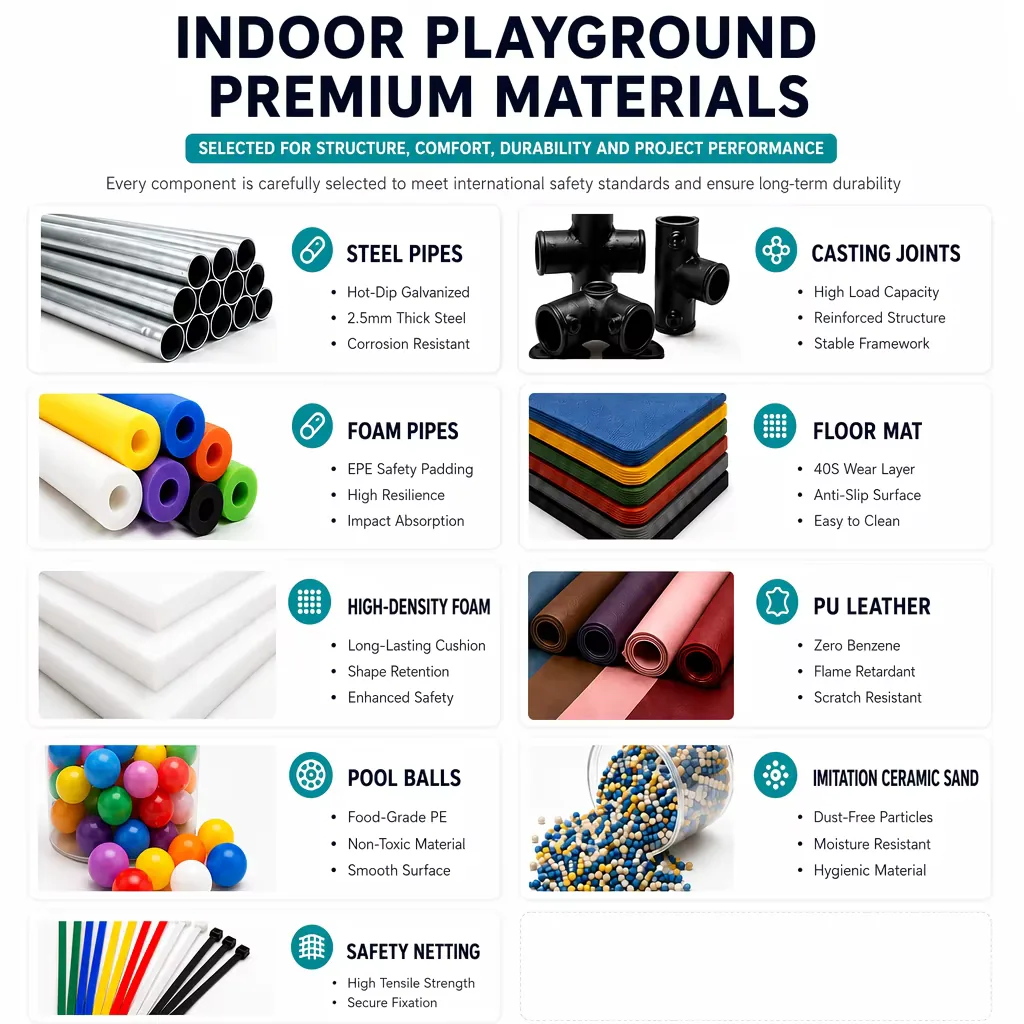
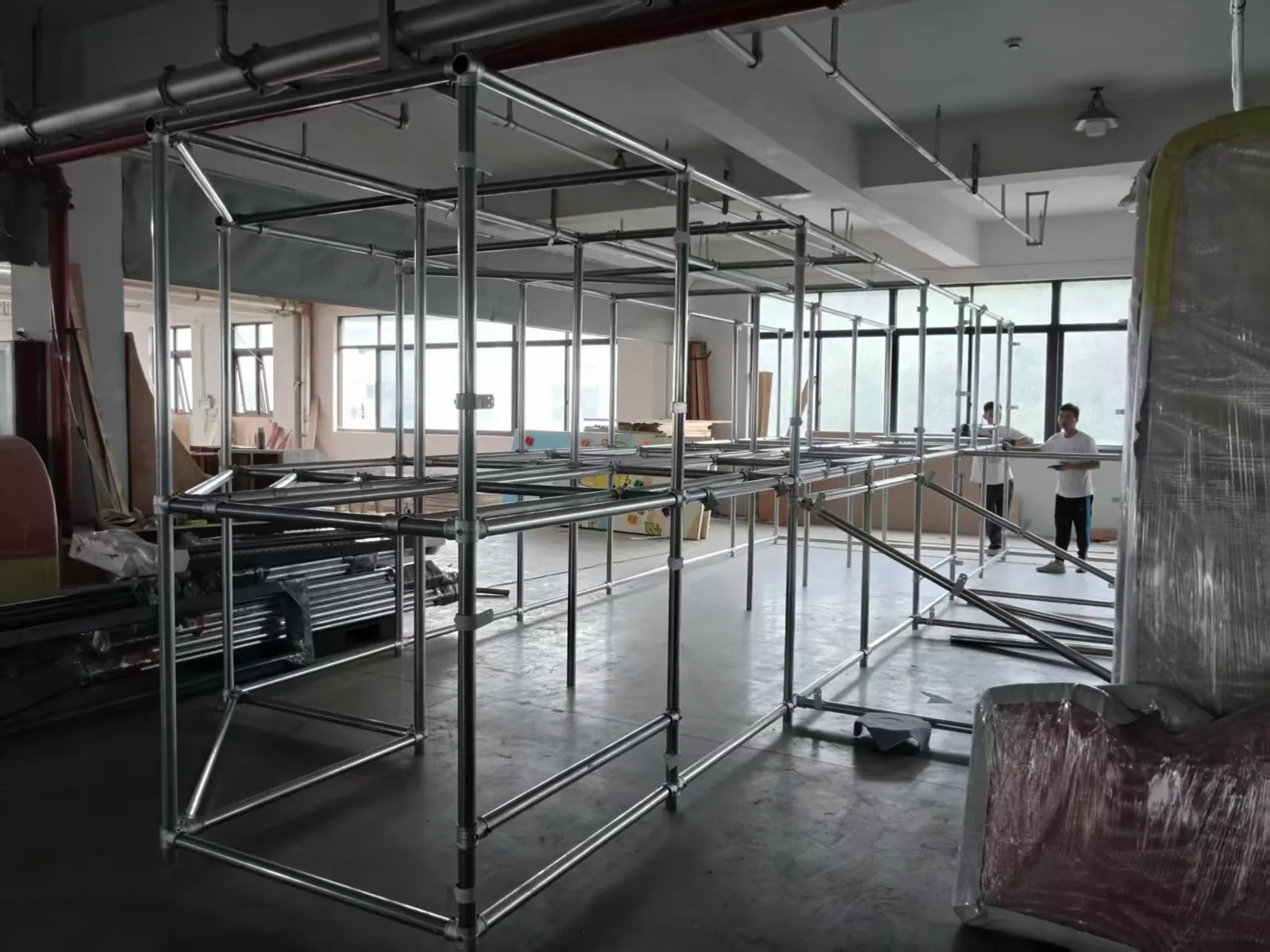
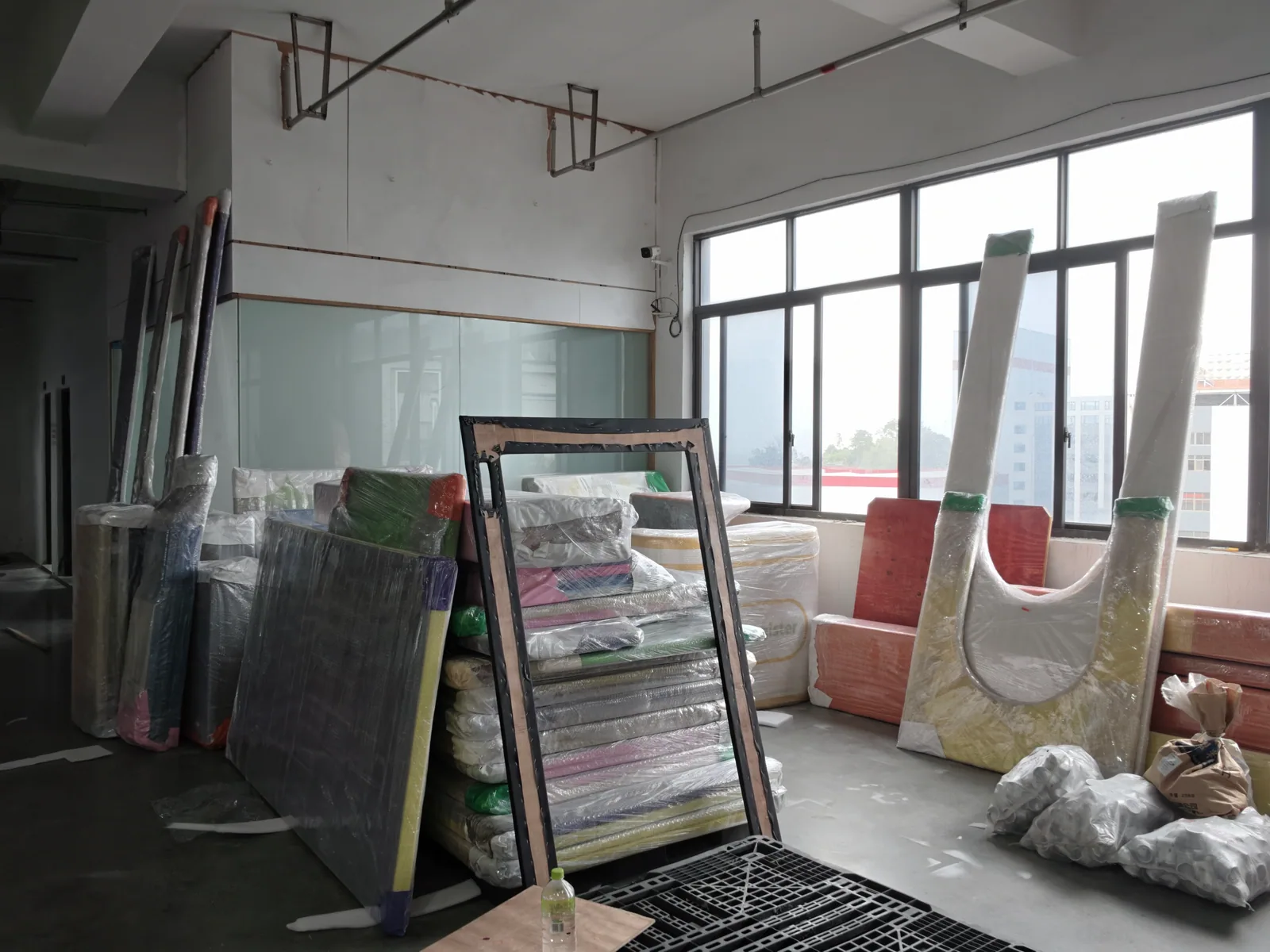
These Vabibo process images show where commercial assumptions become physical responsibilities. The photographs do not establish a universal price. Buyers should connect each cost line to the approved project, destination, party, quantity, document, and timing assumption.

Start with four separate cost layers
Use separate subtotals for equipment price, landed cost, installed cost, and total opening budget. This prevents a factory quotation from being mistaken for the amount required to open the venue.
| Cost layer | Typical components | Key control question |
|---|---|---|
| Equipment price | Quoted play equipment, selected options, customization, stated documents, export packing | Does every supplier price the same approved plan, equipment schedule, material basis, and options? |
| Landed cost | Equipment plus freight, insurance, import, duty, tax, brokerage, terminal and destination delivery | What is the exact trade term and named delivery point, and which destination charges remain excluded? |
| Installed cost | Landed scope plus site work, unloading, storage, labor, tools, travel, supervision, assembly and checks | Who supplies every local resource and who pays for delays, corrections, and missing items? |
| Opening budget | Installed attraction plus approvals, inspection, operating setup, training, initial spares, marketing and contingency | What else must the owner fund before the venue can operate? |
1. Normalize the equipment scope before comparing price
Confirm the same drawing number, revision date, equipment schedule, dimensions, clear height, age zones, capacity assumptions, activity mix, theme scope, material schedule, documents, spare parts, and quoted options. Mark every line as included, excluded, optional, allowance, or buyer responsibility.
A supplier may lower the total by reducing activity density, changing a slide or obstacle, simplifying graphics, substituting materials, excluding documents, or moving installation work to the buyer. These changes may be reasonable, but they must remain visible.
- Base equipment and separately priced activities or technology
- Custom theme, graphics, façade, lighting, interactive elements, and branding
- Material construction, finishes, color references, and replaceable parts
- Drawings, calculations where required, reports, manuals, labels, and inspection records
- Export packing, package labels, initial spares, special tools, and exclusions
2. Control currency, trade term, payment, and schedule assumptions
Record the quotation currency, exchange-rate assumption, tax basis, price validity, trade term, named place, deposit, progress payments, balance-release evidence, and treatment of changes. A low price with an early balance payment and weak pre-shipment evidence may create more buyer risk than a higher staged proposal.
Separate design approval time, technical confirmation, production, inspection, packing, transit, customs, site readiness, installation, correction, and final inspection. A factory production estimate is not an opening date.
3. Build landed cost to one named destination point
Ask the freight forwarder or responsible supplier to identify export handling, packing assumptions, package volume and weight, freight, insurance, documentation, duty classification, tax, brokerage, port or terminal charges, demurrage exposure, inland delivery, and exclusions. Use one quotation date because freight and exchange assumptions can change.
| Logistics line | Evidence to request | Common comparison gap |
|---|---|---|
| Export packing | Packing method, package list, dimensions, weights, labels and protection | Packing is included but crates, special protection, or installation sequence labels are not |
| International freight | Route, mode, equipment type, validity, surcharges and insurance basis | One quote includes current freight while another uses an allowance or excludes surcharges |
| Import and destination | Classification assumption, duty, tax, broker, terminal, inspection and delivery point | Taxes, port charges, exams, demurrage, or final delivery are omitted |
| Arrival handling | Vehicle, unloading, lifting, access, storage, receiving checks and responsible team | The shipment reaches the site but no party owns unloading or protected storage |
4. Add every site and installation responsibility
Installed cost depends on site readiness, access, local construction, power, lighting, flooring, fire or building interfaces, unloading, storage, labor rates, installer travel, tools, lifting, supervision, installation drawings, inspection, punch-list correction, and schedule coordination.
Define whether the supplier provides a full installation team, one supervisor working with local labor, remote guidance, or drawings only. Record working hours, visas, flights, accommodation, local transport, insurance, site induction, overtime, delays, return visits, and who corrects site or equipment issues.
Installed does not mean ready to open unless final checks, required inspection, operator records, training, spares, and outstanding-item closure are also assigned.
5. Price documents, inspection, and corrective work
Required reports, calculations, drawings, translations, labels, third-party inspections, local professional review, and final site inspection may sit outside the equipment quotation. Identify the responsible party, document holder, product scope, timing, language, acceptance criteria, and correction process before supplier selection.
Create an allowance for unresolved requirements instead of assuming they will be free. When a document cannot apply to the ordered configuration, record the replacement plan and commercial impact.
6. Keep opening and lifecycle allowances visible
The owner may still need furniture, café or party-room fit-out, POS and access control, staffing, training, insurance, signage, cleaning equipment, maintenance tools, marketing, initial consumables, replacement covers, high-wear spares, and working capital. These costs do not belong in every supplier quotation, but they belong in the investment decision.
Compare warranty logistics as well as duration. Ask who diagnoses a problem, what evidence is required, whether labor and freight are included, where parts ship from, and what the venue does while waiting.
7. Build a normalized quotation comparison
Use one spreadsheet or responsibility matrix with rows for every equipment, logistics, site, installation, document, inspection, handover, and contingency line. Keep supplier price, buyer allowance, unresolved risk, responsible party, evidence reference, and timing in separate columns.
| Comparison column | What to record | Why it matters |
|---|---|---|
| Controlled scope | Plan revision, equipment schedule, material basis and options | Prevents comparison of different attractions |
| Supplier amount | Included price, currency, tax basis, trade term and validity | Shows the commercial offer without hiding the basis |
| Buyer allowance | Realistic budget for excluded local or third-party work | Converts exclusions into a comparable opening cost |
| Unresolved risk | Unknown requirement, owner, deadline and possible cost range | Stops optimistic assumptions from appearing as savings |
| Evidence and gate | Required document or record and the release milestone | Connects payment and progress to proof |
Decision rule: compare the expected opening cost and residual risk. Do not award a supplier for leaving a responsibility unpriced.
8. What to submit for a useful budget comparison
Send the current floor plan and clear-height map, country and delivery city, venue type, target ages and capacity, preferred attraction mix, theme direction, operating model, budget range, target opening date, site readiness assumptions, required standards and documents, preferred trade term, unloading conditions, and intended installation model.
Vabibo can separate the core equipment scope from options, identify missing cost inputs, and organize an initial landed-and-installed responsibility map. Final pricing still requires an approved configuration, current logistics basis, confirmed destination requirements, and agreed project responsibilities.
Sources and related references
- Vabibo — Commercial Indoor Playground Cost Guide
- Vabibo — Indoor Playground Supplier Audit Checklist
- Vabibo — Packing and Shipping Coordination
- Vabibo — Installation and Opening Support
- Vabibo — Project Timeline
This buyer guidance supports early planning. Final dimensions, standards, responsibilities, and approvals must be confirmed for the actual project and destination.