
Key takeaways
- Audit the contracting and payment entities before evaluating factory or brand claims.
- Use one controlled plan, activity schedule, material schedule, document matrix, and responsibility table.
- Generic certificates and factory images do not replace order-specific evidence.
- Every exclusion needs an owner, cost allowance, deadline, and effect on opening readiness.
- Repeat the audit at technical approval, pre-shipment, installation, and handover gates.
Four records that make a supplier audit actionable
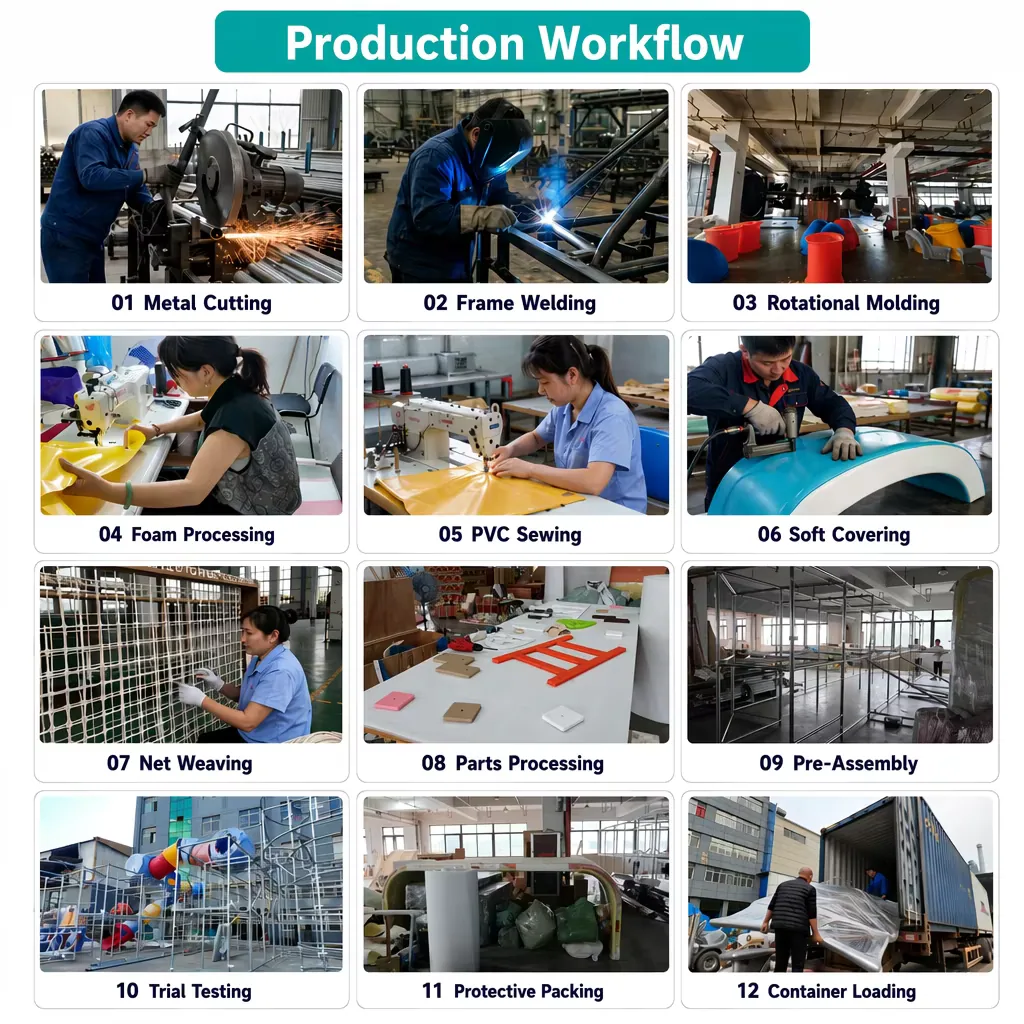
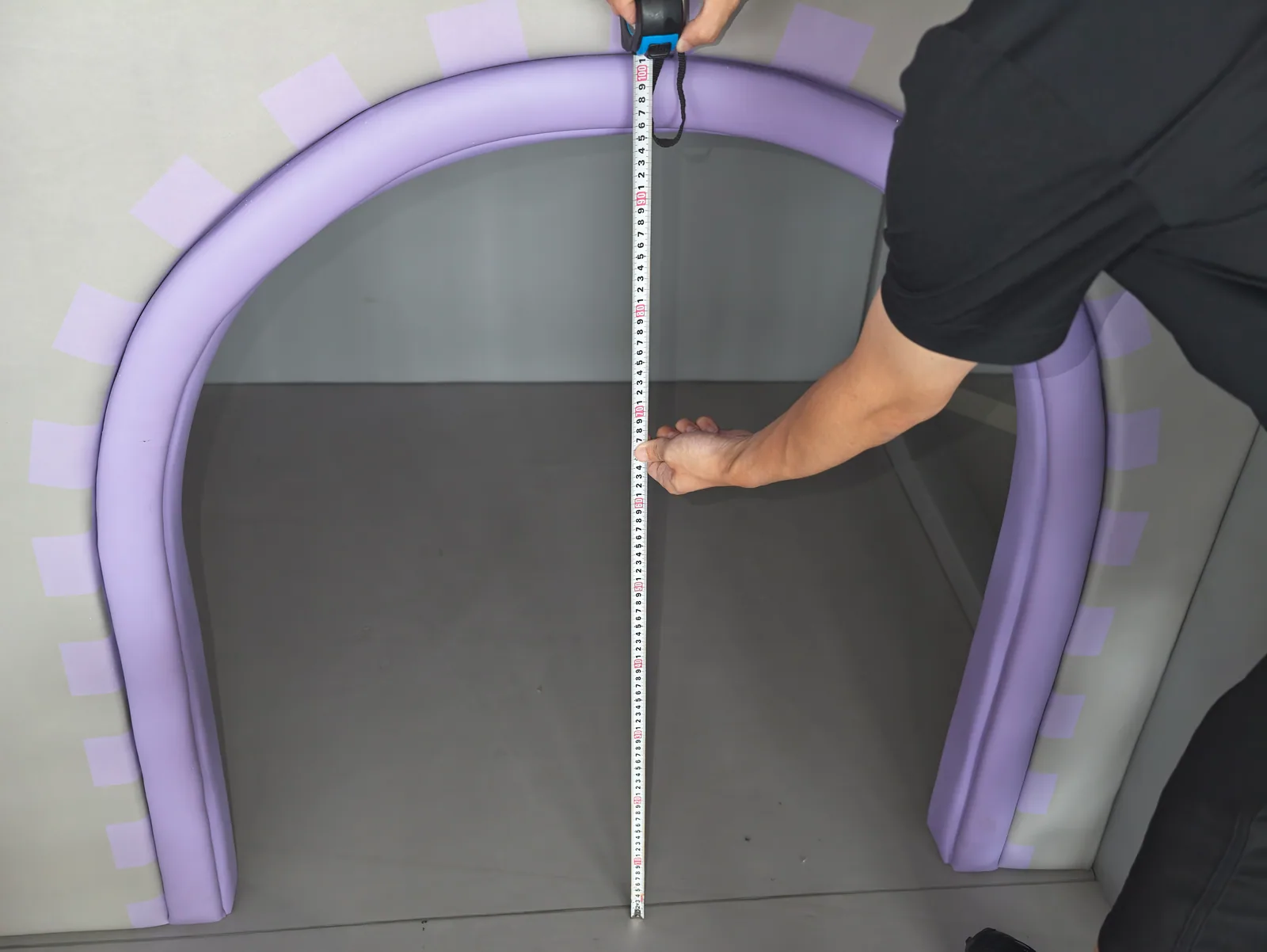
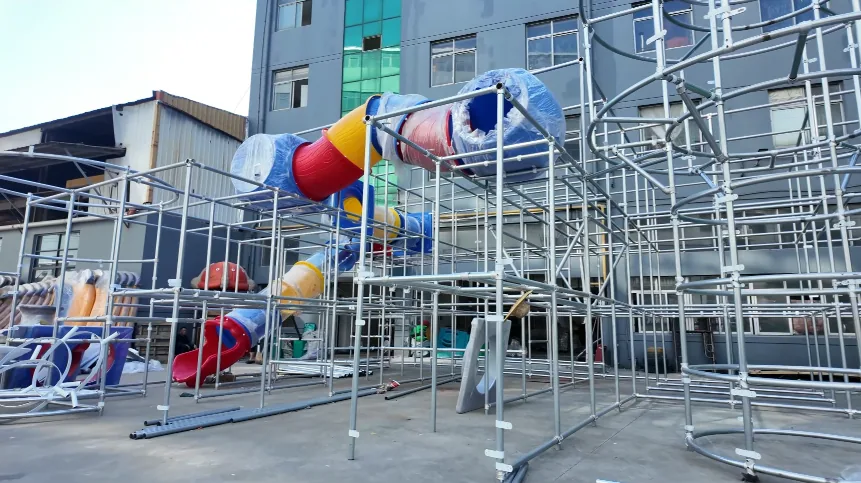
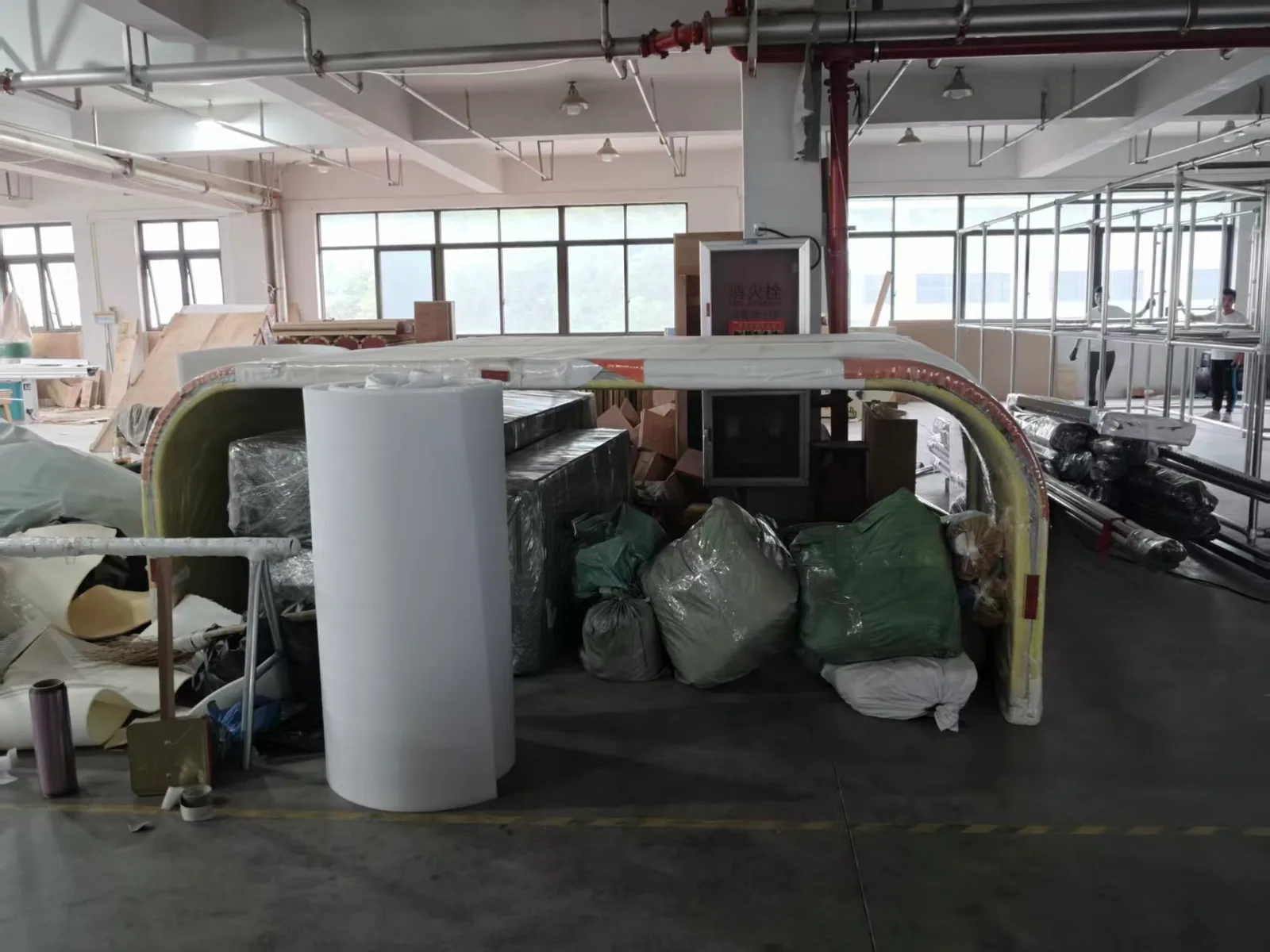
These Vabibo process images illustrate the type of evidence trail a buyer can request. They are not inspection certificates or proof for every future order. Each record should carry the actual project, revision, date, responsible person, finding, and disposition.
Use the audit at five commercial decision gates
A supplier audit is not a one-time factory visit. The evidence required changes as the project moves from early comparison to an installed attraction. Start with identity and comparable capability, then increase the level of project-specific control before each commitment.
| Decision gate | Evidence required | Do not proceed when |
|---|---|---|
| Shortlist | Legal identity, relevant product focus, comparable projects, service model, responsible contacts | The responsible entity or actual product fit remains unclear |
| Deposit | Controlled proposal, scope, material basis, document plan, price basis, milestones, responsibilities | Important exclusions, payment recipient, or change rules remain implied |
| Technical approval | Approved plan, equipment schedule, revisions, material schedule, document matrix, interfaces | The supplier and project team are working from different revisions |
| Shipment | Inspection results, closure records, packing list, labels, photographs, shipping documents | Open findings or missing packages have no accepted disposition |
| Handover | Installation records, final checks, punch-list closure, manuals, spares, warranty and claim contacts | The operator cannot identify what was supplied, checked, or still outstanding |
1. Verify legal identity and the complete responsibility chain
A brand, sales company, manufacturer, exporter, installer, and certificate holder may be different organizations. That structure is not automatically a problem, but the quotation and contract should identify the role of each party. Confirm which entity receives payment and which party can approve drawings, resolve production issues, release documents, organize freight, support installation, and answer a claim.
Match company names across registration records, bank information, quotation headers, contracts, reports, packing documents, and public profiles. Record any name difference and obtain a written explanation before payment.
- Registered company name, address, registration number, and authorized contract signatory
- Payment beneficiary and written relationship to the contracting entity
- Design, manufacturing, subcontracting, export, installation, and warranty roles
- Named commercial, technical, production, logistics, and after-sales contacts
2. Issue one controlled RFQ and project information pack
A supplier cannot be audited fairly when every candidate receives different dimensions, activity expectations, or delivery assumptions. Issue one dated project pack with units, revision number, destination, venue constraints, target users, operating model, budget range, required documents, installation expectations, and opening target.
Require each supplier to return an assumptions list and information-gap register. An impressive rendering based on invented dimensions is not stronger evidence than a cautious proposal that identifies missing site information.
| Project input | Minimum buyer information | Supplier return |
|---|---|---|
| Site | Dimensioned plan, clear-height map, columns, exits, services, access, photographs | Site assumptions, exclusions, required survey or confirmation |
| Users and operations | Age bands, capacity, dwell time, supervision, cleaning and maintenance model | Zoning, activity logic, sightline and access assumptions |
| Commercial | Budget range, currency, delivery address, installation model, opening date | Core scope, options, allowances, price basis and milestone schedule |
| Documents | Target market, consultant or authority requirements, language and format | Document matrix, holder, product scope, timing and exclusions |
3. Audit design control before approving attractive visuals
Confirm which drawing governs the quotation and which files will govern production and installation. The audit should show how dimensions, age zones, access, circulation, supervision, maintenance, structural interfaces, services, graphics, equipment schedules, and later revisions are controlled.
Request one example of how the supplier records a buyer comment, updates a drawing, changes the equipment or price, and obtains approval. This is more useful than counting how many renderings a supplier promises.
- Drawing number, date, revision, units, scale, and approval status
- Equipment schedule connected to the plan and quotation
- Register of buyer comments, supplier responses, changes, and approvals
- Responsibility for calculations, local interfaces, final review, and as-built records
4. Connect materials and documents to the ordered configuration
Replace broad descriptions such as premium foam, commercial PVC, galvanized steel, or certified materials with a component-level schedule. Record the material, grade or construction, thickness or dimensions where relevant, finish, color reference, use zone, supporting document, inspection method, and replacement approach.
For every report or certificate, record the holder, number, standard and edition, named product or material, clauses, exclusions, date, validity, and relevance to the quoted configuration. A logo or unrelated document should not be scored as order evidence.
Audit rule: if a document cannot be connected to the named entity, component, configuration, destination, and current project requirement, mark its relevance as unresolved.
5. Request project-linked production and inspection evidence
Agree the production evidence plan before manufacturing begins. The buyer does not need a photograph of every action, but the records should demonstrate that important dimensions, components, workmanship, visual details, quantities, and corrections were checked against the approved information.
- Material receipt or identification records for agreed critical components
- Dated processing and measurement records connected to drawing references
- Trial-assembly scope, findings, corrective actions, recheck, and release status
- Inspection checklist with responsible person, date, result, evidence, and disposition
- Change and deviation approvals when production differs from the controlled scope
6. Audit packing, freight, installation, and handover responsibilities
The equipment price does not show who pays for freight, customs, destination handling, unloading, storage, local construction, tools, installation labor, travel, inspection, correction, or delayed replacement parts. Record these responsibilities before comparing totals.
Ask how package labels connect to zones and drawings, what receiving checks the buyer must complete, how shortages or transit damage are reported, and which records are required before installation begins.
| Stage | Supplier evidence | Buyer confirmation |
|---|---|---|
| Packing | Packing list, labels, protection method, package views, loading plan | Storage, unloading, access and receiving team |
| Freight and import | Trade term, route, shipping documents, exclusions and schedule basis | Importer, broker, duty and tax, destination charges and delivery address |
| Installation | Drawings, package references, sequence, tools, labor assumptions and support scope | Site readiness, local labor, lifting, power, accommodation, supervision and inspection |
| Handover | Final records, manuals, spare list, warranty and claim route | Operator acceptance, training, maintenance ownership and open-item closure |
7. Score evidence quality and unresolved risk separately
Do not convert every unanswered question into a low score hidden inside an average. Use separate columns for capability score, evidence status, open risk, owner, deadline, and commercial effect. A supplier may be capable but still unsuitable when responsibility remains unpriced or evidence arrives too late for the project schedule.
- Verified: current evidence directly matches the entity, order, revision, and requirement
- Conditionally verified: evidence is useful but depends on a named action or updated record
- Unresolved: no adequate evidence, owner, deadline, or accepted commercial allowance
- Not applicable: the requirement is genuinely outside the product or agreed responsibility
The strongest supplier is not automatically the one with the highest marketing score. Select the proposal with the clearest controlled scope and acceptable residual risk for the actual venue.
8. What to submit for a project-specific supplier audit
Send the country and city, venue type, latest dimensioned plan, clear-height map, columns, exits and fixed services, target ages, capacity assumptions, preferred activity mix, design direction, budget range, delivery destination, installation expectation, required documents, project contacts, and opening target.
Vabibo can use that pack to identify missing inputs, prepare a first responsibility map, and explain which design, material, evidence, delivery, and installation questions must be closed before a useful quotation can be compared.
Sources and related references
- Vabibo — How to Choose an Indoor Playground Manufacturer
- Vabibo — Indoor Playground Standards and Project Documentation
- Vabibo — Materials and Quality Control
- Vabibo — Production Coordination
- Vabibo — Packing and Shipping Coordination
This buyer guidance supports early planning. Final dimensions, standards, responsibilities, and approvals must be confirmed for the actual project and destination.